Modern medicine has advanced in incredible ways, yet nature remains one of the most powerful sources of healing. Long before pharmacies and prescriptions, people relied on plants, herbs, and natural substances to ease pain, fight infections, and restore balance. Many of these remedies still hold their place in homes today, backed by both tradition and scientific understanding.
If you are looking for safe, gentle, and effective ways to treat minor health problems, this guide is for you. From common colds to stomach upsets, here are ten proven natural remedies for everyday ailments.
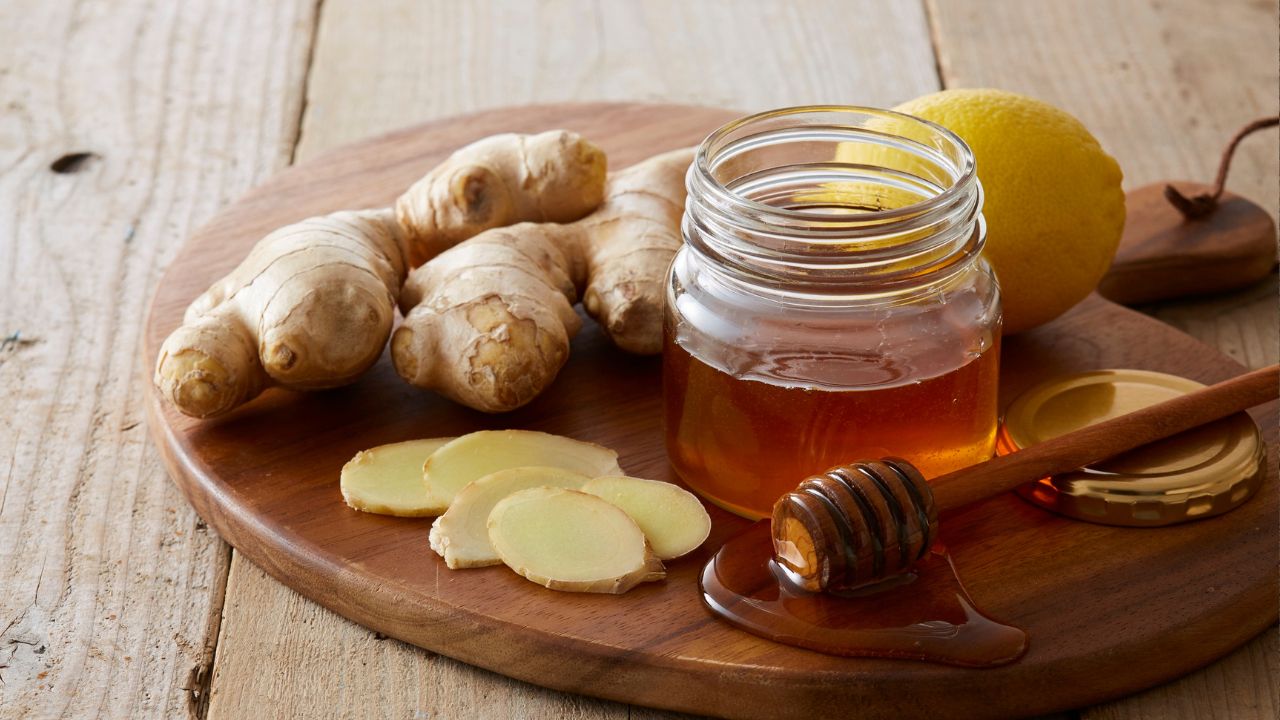
1. Honey and Lemon for Sore Throat
When your throat feels scratchy or painful, honey and lemon are a classic solution. Honey coats the throat, reducing irritation, while lemon provides vitamin C and antibacterial properties.
How to use:
Mix one tablespoon of raw honey with the juice of half a lemon in a cup of warm water. Sip slowly two to three times a day. You can also add a pinch of salt for extra soothing effect.
Why it works:
Honey has antimicrobial properties that fight bacteria, while lemon helps boost immunity and clear mucus. This combination also keeps you hydrated, which is key in throat recovery.
2. Ginger for Nausea and Indigestion
Ginger is one of the most studied herbal remedies, known for easing nausea, bloating, and indigestion. It promotes digestive movement, helping food pass smoothly through the stomach.
How to use:
Peel and slice a small piece of fresh ginger, then boil it in one cup of water for 5 minutes. Strain and drink while warm. You can also chew a thin slice or add powdered ginger to your tea.
Why it works:
Ginger contains compounds called gingerols and shogaols that relax the intestinal tract, reduce nausea, and calm inflammation. It is especially helpful for motion sickness and mild food poisoning.
3. Peppermint for Headaches
Few things ruin a day like a headache. Peppermint oil offers quick relief without the side effects of painkillers. The menthol in peppermint helps relax muscles and improve blood flow, easing tension in the head and neck.
How to use:
Dilute two drops of peppermint essential oil in a teaspoon of carrier oil like coconut oil. Gently massage the mixture onto your temples, forehead, or the back of your neck. Avoid direct contact with eyes.
Why it works:
Research has shown that menthol can cool the skin, reduce muscle contraction, and lower headache intensity, particularly tension-type headaches.
4. Turmeric for Inflammation and Joint Pain
Turmeric is more than a cooking spice; it is a potent anti-inflammatory agent. Its active compound, curcumin, helps relieve arthritis pain, stiffness, and muscle soreness.
How to use:
Add one teaspoon of turmeric powder to a glass of warm milk, and stir well. You can also take curcumin supplements if approved by your healthcare provider. For better absorption, mix it with black pepper or healthy fats.
Why it works:
Curcumin blocks inflammatory molecules in the body and supports joint flexibility. Daily intake can also benefit overall immunity and digestion.
5. Garlic for Colds and Flu
Garlic has long been celebrated for its immune-boosting and antiviral properties. It helps shorten the duration of colds and strengthens the body’s defense system.
How to use:
Crush one or two cloves of fresh garlic and mix them with a spoon of honey. Eat this once a day during cold seasons. For prevention, include garlic regularly in your meals.
Why it works:
Garlic contains allicin, a sulfur compound known to fight bacteria and viruses. It also helps stimulate white blood cells, which protect the body from infection.
6. Aloe Vera for Burns and Skin Irritation
Aloe vera is nature’s skin healer. Its gel contains soothing, cooling, and anti-inflammatory compounds that promote fast recovery from burns, rashes, or sunburns.
How to use:
Cut a fresh aloe vera leaf and extract the gel. Apply it directly to the affected area. For minor burns or insect bites, use it twice daily. Store extra gel in the refrigerator for future use.
Why it works:
Aloe contains antioxidants and polysaccharides that hydrate the skin and stimulate tissue repair. It is gentle enough for sensitive skin and safe for everyday use.
7. Chamomile for Stress and Sleep
Chamomile tea is one of the most relaxing herbal infusions. It calms the nervous system, reduces anxiety, and helps the body transition naturally into rest.
How to use:
Steep one tablespoon of dried chamomile flowers or one tea bag in hot water for 5 to 10 minutes. Drink before bed or whenever you feel tense. Add a bit of honey for flavor if desired.
Why it works:
Chamomile contains apigenin, a natural compound that binds to receptors in the brain, encouraging relaxation and better sleep quality. Regular use can help reduce insomnia and mild anxiety.
8. Apple Cider Vinegar for Digestion and Energy
Apple cider vinegar (ACV) supports digestion and helps stabilize blood sugar levels after meals. It also acts as a mild detoxifier, promoting a healthy gut environment.
How to use:
Mix one tablespoon of apple cider vinegar in a glass of warm water and drink before meals. Do not drink it undiluted, as it can damage tooth enamel.
Why it works:
ACV improves stomach acid production and helps break down food more efficiently. It also slows sugar absorption into the bloodstream, reducing energy crashes after eating.
9. Eucalyptus for Congestion and Cough
When your nose feels blocked or your chest feels heavy, eucalyptus can bring relief. Its active compound, eucalyptol, clears mucus and opens airways.
How to use:
Add a few drops of eucalyptus essential oil to hot water and inhale the steam for several minutes. Alternatively, mix a few drops into a carrier oil and rub it on your chest before sleeping.
Why it works:
Eucalyptol has antiviral and antibacterial effects. It helps reduce inflammation in the respiratory tract and makes it easier to breathe during a cold or sinus infection.
10. Coconut Oil for Dry Skin and Lips
Dry skin is not just uncomfortable; it can lead to cracks and irritation. Coconut oil provides a natural, chemical-free moisturizer that keeps your skin soft and protected.
How to use:
After showering, massage a small amount of coconut oil into your skin while it is still slightly damp. For chapped lips, apply a thin layer throughout the day.
Why it works:
Coconut oil contains medium-chain fatty acids that hydrate and lock in moisture. It also has antibacterial properties that prevent infection in small cuts or dry patches.
Important Tips When Using Natural Remedies
-
Use quality ingredients. Always choose fresh herbs, organic honey, and pure essential oils when possible.
-
Do a patch test. Before applying any remedy to the skin, test it on a small area to check for allergies.
-
Stay consistent. Natural remedies often take longer to show results, so patience is key.
-
Seek medical help when needed. Natural medicine is powerful, but not a replacement for professional care. Always consult your doctor if symptoms persist or worsen.
-
Keep hydrated and rest. Healing works best when your body is well-nourished and rested.
The Science Behind Natural Healing
Many natural remedies have scientific evidence backing their effectiveness. For example:
-
Honey has been shown in clinical studies to heal wounds faster than some synthetic ointments.
-
Ginger has strong anti-nausea effects recognized by the World Health Organization.
-
Turmeric has over 100 studies supporting its anti-inflammatory properties.
-
Garlic has been proven to reduce the risk of common colds and lower blood pressure.
-
Chamomile is clinically known to improve sleep quality and reduce mild depression symptoms.
This growing body of research confirms what traditional healers knew for centuries: nature supports healing when used with wisdom and care.
Building a Natural Home Medicine Cabinet
You do not need a large collection of items to get started. A simple, effective natural medicine cabinet might include:
-
Raw honey
-
Fresh ginger
-
Turmeric powder
-
Garlic cloves
-
Aloe vera gel
-
Chamomile tea bags
-
Apple cider vinegar
-
Peppermint and eucalyptus essential oils
-
Coconut oil
These basics cover most common issues such as colds, headaches, minor burns, and skin dryness. Keep them in a cool, dry place and label them clearly for easy access.
Why Natural Remedies Work Best with Lifestyle Balance
Healing is not just about herbs and ingredients; it is about overall balance. Natural remedies work best when supported by proper nutrition, hydration, exercise, and good sleep.
For instance, taking turmeric for joint pain is more effective when combined with movement and stretching. Drinking chamomile tea will help more if you reduce caffeine and screen time before bed. Your body heals from within when you live in harmony with its needs.







Comments
No comments yet. Be the first to share your thoughts!