
Technology is no longer something that belongs to laboratories or tech companies. It lives in our hands, our homes, our workplaces, and even our pockets. It shapes how we learn, eat, travel, and communicate. In the last decade, the speed of change has been remarkable. Every year introduces new tools that influence how we make decisions, connect with people, and experience the world.
From artificial intelligence to wearable devices, the digital transformation of daily life has become an unstoppable force. To understand how deeply this affects society, we can look at five key areas where technology has completely changed the way people live.
1. Communication Has Become Instant and Global
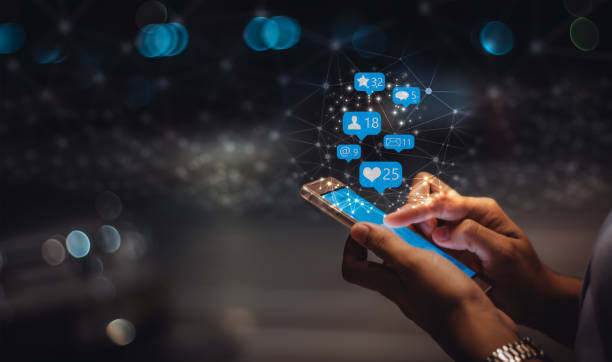
A few decades ago, letters took days to arrive and long-distance calls were expensive. Today, messages travel across the world in seconds. Platforms like WhatsApp, Telegram, Zoom, and social media networks have made real-time communication normal. Families stay connected across continents, and businesses collaborate without borders.
However, this constant connectivity also brings challenges. Many people feel pressure to always be available. Notifications never stop, and digital noise often replaces meaningful conversation. The solution is not to abandon technology but to use it with awareness. Setting limits on screen time and creating “no phone zones” at home can restore balance between virtual and real-world communication.
The beauty of modern communication lies in its power to connect hearts and minds. A child can video call a parent who works abroad. Students can attend online classes from rural areas. Activists can mobilize entire communities through a single post. Technology has made the world smaller and more personal at the same time.
2. Work Has Moved Beyond the Office
The global pandemic accelerated a shift that was already underway: remote work. Millions of people now work from home, coffee shops, or co-working spaces. Laptops, cloud storage, and video conferencing tools have made this lifestyle possible.
Companies have learned that productivity is not limited to office buildings. Employees enjoy flexible schedules, less commuting, and more time for family. Employers benefit from lower operational costs and access to global talent.
But remote work also introduces new dynamics. It can blur the line between personal and professional life. Many struggle to switch off after work hours, leading to burnout. The solution lies in discipline and clear boundaries—creating a dedicated workspace, sticking to a routine, and taking regular breaks.
Technology has given people more freedom to choose where and how they work. It has also pushed organizations to rethink traditional hierarchies and adopt results-based management instead of physical supervision. This change represents a major cultural shift in the world of employment.
3. Health and Fitness Have Gone Digital
Modern technology has made health management smarter and more personalized. Fitness apps, smartwatches, and online coaching platforms now guide millions toward healthier lifestyles. They count steps, monitor sleep, and even track heart rate during workouts.
People no longer rely only on doctors for basic health data. A smartwatch can alert you to irregular heartbeats or inactivity. Online programs can tailor workouts to your exact goals. Virtual trainers and nutrition apps have democratized health advice that was once limited to gyms or clinics.
Telemedicine has also become an essential part of healthcare. Patients can consult doctors remotely, access prescriptions online, and monitor chronic conditions from home. This has been especially useful for rural communities where hospitals are far away.
On the flip side, technology has increased health anxiety for some. Constant access to medical information can lead to unnecessary worry. Balance is key: use digital health tools to empower yourself, not to obsess over every metric. When used wisely, technology promotes a lifestyle that values prevention and awareness rather than reaction.
4. Learning Is More Accessible Than Ever
Education used to depend heavily on classrooms, textbooks, and physical attendance. That has changed dramatically. Online learning platforms like Coursera, Khan Academy, and Udemy have made education available to anyone with an internet connection. Even traditional schools now combine physical lessons with digital resources.
Students from developing countries can learn coding, design, or business management from top universities abroad. Parents use educational apps to help children with homework. Lifelong learners can study at their own pace while working full-time.
Artificial intelligence is also reshaping how education works. Adaptive learning systems track student progress and adjust lessons based on performance. This personalization helps each learner grow at their own speed, which is far more effective than a one-size-fits-all approach.
However, access to technology is not equal everywhere. Many people still struggle with slow internet or lack of devices. Bridging this digital divide is one of the most important social goals of our time. Every person deserves the chance to benefit from the opportunities that modern education offers.
5. Daily Living Is Becoming Smarter and Simpler
From smart home devices to digital payments, daily routines are smoother than ever. Lights can turn on automatically when you walk into a room. Refrigerators can remind you when you are out of milk. Virtual assistants like Alexa and Google Home can control household systems with a simple voice command.
Technology has also made financial management easier. Mobile banking and online payments have replaced cash in many places. In Africa and Asia, mobile money services such as M-Pesa have revolutionized how people save and send funds. This innovation supports small businesses and empowers individuals who once lacked access to traditional banking.
Transportation has changed too. Ride-sharing apps, electric vehicles, and navigation tools have simplified travel. In cities, smart traffic systems help reduce congestion and pollution. Even shopping habits have evolved as e-commerce and digital wallets replace long queues and physical cash.
Although convenience is a major benefit, reliance on technology also raises privacy concerns. Smart devices collect personal data, and users must stay informed about how it is stored and used. Security awareness is now part of responsible digital living.
The Human Side of a Digital World
Technology affects not only what we do but who we are becoming. It shapes behavior, habits, and values. Some people fear that machines will replace human warmth, while others see technology as a tool that enhances empathy and understanding. The truth lies somewhere in between.
What matters most is intention. When technology serves humanity, it can make life easier, healthier, and more meaningful. But when it controls our attention, emotions, and choices, it can also isolate and exhaust us. The challenge of modern society is to remain human in an increasingly digital age.
Simple practices help. Spend time offline each day. Talk to people face to face. Use technology to learn and connect, not just to escape. Remember that every click, scroll, and tap shapes your daily reality.






Comments
No comments yet. Be the first to share your thoughts!