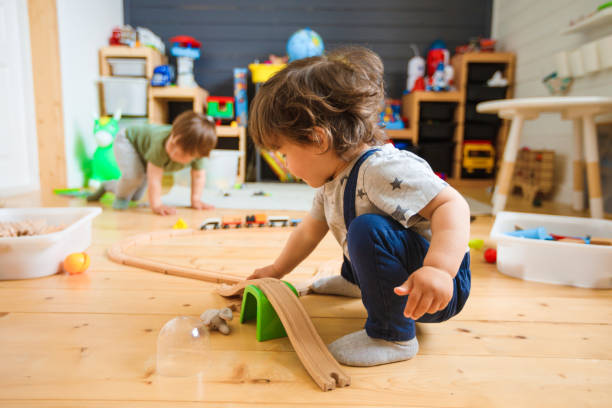
A child’s learning environment at home plays a major role in how well they concentrate and absorb new information. Many parents assume that kids can study anywhere, but distractions, noise, and discomfort can prevent effective learning. A well designed study space makes homework time smoother and helps children develop strong study habits from an early age.
The first step is choosing the right location. A child needs a place that is quiet enough for focus but still close enough that a parent can supervise or help when needed. For younger children, a corner of the living room or dining area can work well because it allows gentle monitoring. For older children who need deeper concentration, a quiet bedroom corner may be more suitable.
Lighting is one of the most important elements. Poor lighting causes eye strain and reduces energy levels. Natural light is ideal, so place the study table near a window if possible. Supplement it with a good desk lamp that provides soft, even light. Bright overhead lighting can be helpful, but avoid shadows on the workspace since they make reading harder.
Comfortable and child sized furniture makes a major difference. A desk that is too high or a chair that is too low leads to bad posture and discomfort, which distracts from learning. Choose a chair with good back support and a desk with enough surface area for books, notebooks, and a computer if needed. If budget is a concern, adjustable furniture offers long term flexibility as your child grows.
Organization is key to maintaining focus. When supplies are scattered everywhere, children waste valuable time searching for pencils, papers, or textbooks. Keep essential materials within reach by using small bins, trays, or drawer organizers. Label containers to make it easy for the child to return items to the right place. A clutter free desk encourages a clutter free mind.
Personalisation helps the space feel inviting. Children enjoy having an area that reflects their personality. Allow them to decorate with a few items such as motivational quotes, artwork, or their favorite colors. However, avoid overcrowding the desk with toys or objects that encourage play instead of study. The goal is a balance between comfort and purpose.
Minimizing digital distraction is another important aspect. If the child uses a tablet or laptop for school work, set parental controls or create rules that limit non educational screen time during study hours. Keep phones away from the desk unless needed for research. Even a few notifications can break concentration and reduce learning efficiency.
Establishing a routine helps reinforce the importance of the study space. Encourage your child to use the area at the same time every day. This consistency signals to the brain that it is time to focus. A short break every twenty to thirty minutes can help prevent fatigue, especially for younger learners. A timer or visual schedule can guide them gently.
Noise control is also essential. If the home tends to be loud, consider using soft background sounds such as nature noises or gentle instrumental music. Some children focus better in silence, while others prefer a calm audio environment. Pay attention to your child’s preferences and adjust accordingly. Noise cancelling headphones can also help older students.
Make the study space flexible enough to grow with your child. As academic demands increase, they may need space for a computer, extra books, or larger projects. A modular setup allows easy adjustments. Even small changes like adding shelves or upgrading the lamp can improve comfort and productivity.
Most importantly, involve your child in creating the space. When children help design their study area, they feel ownership and are more likely to use it responsibly. Ask them what colors they like or which supplies they want within reach. Their participation builds independence and encourages pride in their learning environment.
A kid friendly study space does not need to be expensive or elaborate. The goal is a comfortable, organized, and inviting area where learning can flourish. With thoughtful planning, you can create a setting that supports your child’s focus, confidence, and long term academic success.







Comments
No comments yet. Be the first to share your thoughts!