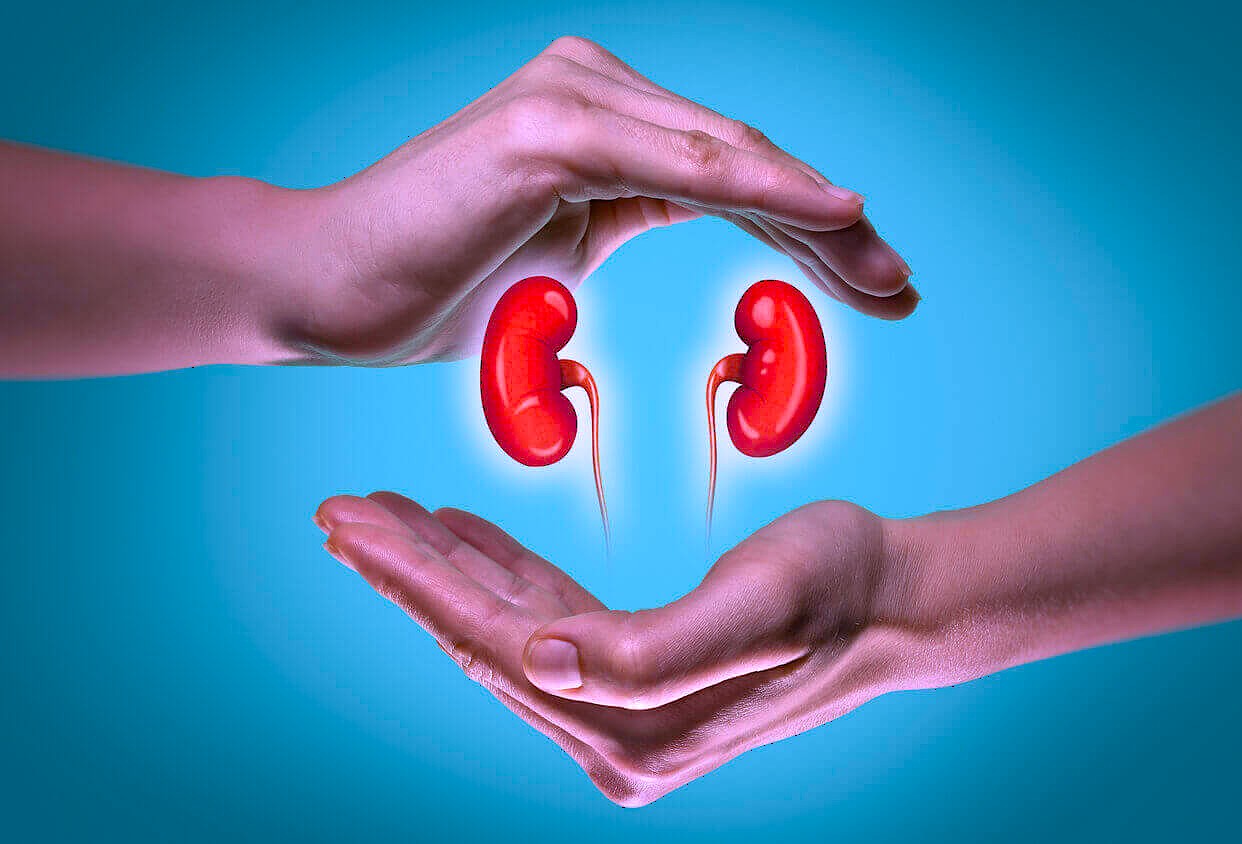
Sugar is everywhere in modern diets. It hides in soft drinks, snacks, sauces, even foods you might not expect. Over time consuming too much added sugar takes a toll on many body systems. Among the organs affected the kidneys often suffer quietly. When you remove or reduce added sugar for 30 days the kidneys get a chance to recover, reset and improve function in meaningful ways.
This article examines what science and expert commentary tell us about the kidney benefits of quitting sugar, how to do it safely, what results to expect, and how to support this process for long-term health.
Understanding How Sugar Affects Kidney Health
The kidneys play a critical role in filtering waste, balancing fluids and salts, regulating blood pressure and maintaining overall internal balance. When your diet is heavy in added sugar your kidneys can become overworked. A key message from the National Kidney Foundation is that sugar itself is not harmful until blood sugar gets too high. At that point filtered sugar spills into urine and begins to damage the kidney’s delicate filtering units.
High blood sugar causes damage to the tiny blood vessels in the kidneys, reduces their filtering capacity and eventually contributes to chronic kidney disease (CKD).
Research and health commentary now highlight that cutting added sugar may reduce this burden and improve kidney function, especially in people who are insulin resistant, pre-diabetic or already consuming a diet high in sugar.
Key Benefits for Kidneys from Reducing Sugar Intake
1. Reduced Kidney Stress
When you consume high amounts of sugar your kidneys must work harder to filter out waste and excess glucose. Over time this strain can reduce their efficiency. By eliminating or reducing added sugar you ease the workload, giving the kidneys a chance to recover. This benefit is especially strong in people who are on the border of insulin resistance or high blood sugar.
2. Lowered Inflammation and Improved Circulation
High sugar intake contributes to inflammation throughout the body including within kidney tissues. It also reduces circulation efficiency. Breaking the sugar cycle means less oxidative stress, less inflammation and improved blood flow to the kidneys. Improved circulation supports healthy filtering and removal of waste.
3. Better Mineral Retention and Acid-Base Balance
Heavy sugar consumption can disturb mineral balance in the body, and some minerals like magnesium, calcium and zinc are key for kidney and overall health. Reducing sugar helps your body retain these minerals and maintain healthy internal chemistry which supports kidney performance.
4. Indirect Benefits via Lower Blood Pressure and Better Metabolic Health
Kidney health is strongly tied to blood pressure, weight and insulin sensitivity. High sugar intake promotes weight gain, insulin resistance and raised blood pressure all of which harm the kidneys. A 30-day sugar reduction often leads to improved weight control, lower blood pressure and improved metabolism, indirectly protecting the kidneys.
What Happens Week by Week When You Quit Added Sugar
Week 1: Withdrawal, Cravings and Adjustments
The first few days without added sugar may bring headaches, cravings, irritability or fatigue as your body adjusts to lower glucose spikes. These symptoms are documented in sugar-detox research. During this week you start stabilising blood sugar which means your kidneys begin working under less extreme fluctuations.
Week 2–3: Improved Energy and Reduced Fluctuations
With fewer sugar surges you move away from the cycle of quick energy then crash. Your body begins to rely more on fibre, protein and stable carbohydrates which stabilise insulin and glucose levels. That means the kidneys face fewer sudden loads and your internal chemistry becomes more balanced.
Week 4: Noticeable Health Benefits
By the end of the 30-day period many people report clearer skin, reduced swelling, better digestion and improved sleep. From a kidney perspective the reduction in internal stress means improved filtering, better fluid balance and reduced risk of damage to delicate kidney tissues. Doctors note that kidney function improves especially if you were insulin resistant at the start.
How to Quit Added Sugar and Support Kidney Health
To maximise kidney benefit during your 30-day sugar reduction it helps to follow a structured approach.
Step 1: Identify and Remove Hidden Sugars
Many foods labelled healthy contain added sugars. Avoid soft drinks, sweetened teas, sports drinks, cereals with hidden sugar, sauces, desserts and processed bars. Focus on whole foods. Added sugar is the target, not the naturally occurring sugars in fruit.
Step 2: Prioritise Kidney-Friendly Nutrition
Drink plenty of water. Hydration supports filtering and toxin removal.
Focus on vegetables, lean proteins, legumes, whole grains, nuts and seeds.
Reduce processed foods, excess salt and saturated fats that increase kidney burden.
Reducing sugar is part of a broader metabolic reset.
Step 3: Support Circulation and Reduce Inflammation
Move daily: brisk walking, swimming or cycling improve circulation which benefits kidneys.
Manage stress: high stress raises cortisol and harms internal balance.
Sleep well: quality sleep allows internal detoxification systems to function.
Avoid prolonged high sugar intake as this accelerates inflammation and kidney strain.
Step 4: Monitor and Maintain
Keep track of your fluid intake, urine output and swelling of ankles or hands (which may indicate kidney or fluid issues).
After 30 days decide how to maintain sugar reduction long term rather than returning completely to old patterns. Experts stress that a long-term shift is more effective than a one-month miracle.
What You Should Expect and What You Should Not
Realistic Benefits You Could See
-
More consistent energy levels because of fewer sugar spikes.
-
Reduced swelling or puffiness in legs or face as fluid balance improves.
-
Improved kidney function markers for those with high sugar diets or early insulin resistance.
-
Better skin clarity, less bloating and better digestion.
-
Lowered risk of kidney damage long term because internal stress is reduced.
What You Should Not Expect
-
Instant reversal of advanced kidney disease or severe damage from years of high sugar intake.
-
Losing all sugar cravings permanently just after 30 days. This is a start, not a cure.
-
Avoiding professional care if you already have kidney disease or diabetes. Sugar reduction is supportive, not a replacement for medical treatment.
Why Kidney Health is Critical and How Sugar Plays a Role
Kidneys filter about 120-150 quarts of blood per day in healthy adults and remove roughly one to two quarts of waste and excess fluid. They also manage hormones that regulate blood pressure and red blood cell production. When sugar intake is consistently high the kidneys are forced into overdrive. Over time this causes wear and damage to the filtering units (glomeruli) and blood vessels in the kidney.
Moreover sugar contributes to obesity, insulin resistance and hypertension, all leading causes of kidney disease. Therefore reducing sugar is not just good for the kidneys, it is a preventive measure against serious kidney disease. A recent lifestyle article noted that quitting sugar for a month can improve kidney function especially in those who are already insulin resistant.
Since kidney disease often develops silently and symptoms appear late it is wise to support kidney health proactively.
Maintaining Gains Beyond the 30-Day Mark
Completing a 30-day sugar reduction is an achievement but the real value comes from sustaining the changes. Here are strategies to maintain and build on your kidney and overall health improvements:
-
Reintroduce sugar only rarely and in small amounts rather than returning to old habits.
-
Continue drinking plenty of water, eating nutrient-dense foods and exercising.
-
Monitor your kidney health if you have risk factors such as diabetes, high blood pressure or family history of kidney disease.
-
Stay consistent: when you sleep well, manage stress and move your body you support your kidneys for the long run.
-
Get regular check-ups: kidneys do not show symptoms early. Screening and monitoring are essential for prevention.
Quitting or significantly reducing added sugar for 30 days provides a strong signal to your kidneys and your full body that a reset is underway. The kidneys gain from reduced filtering burden, improved circulation, less inflammation and better overall metabolic health. While it is not a cure for advanced disease it is a powerful preventive and restorative step.
Adopting a low-added-sugar diet, focusing on hydration, whole foods and healthy movement sets up your kidneys to function better and supports a more energetic and balanced life. If you value your kidney health and want to build a foundation for long-term wellness then this 30-day sugar reset can be a meaningful first move.







Comments
No comments yet. Be the first to share your thoughts!